Hair transplant
FUE technique — Hair restoration
Hair follicles taken one by one from the back of the head are placed in thinning areas.
Request a consultation
Procedure card
- Duration
- 6–8 hours
- Anaesthesia
- Local anaesthesia
- Hospital stay
- Same day
- Recovery
- Scabs shed by day 10
- Back to social life
- 7–10 days
- Settled result
- Settles within 12 months
In FUE, follicles are taken one by one from the back and sides of the head with a micro motor and placed in the thinning area. No linear scar is left at the donor site.
The frontal hairline frames the face; an age-appropriate, slightly irregular line is the key to a natural look. Because donor capacity is limited, planning considers not only today’s thinning but possible future loss.
Preparation and procedure
- Consultation
Hair-loss pattern and donor density are measured; the hairline is drawn.
- Procedure
Follicles are harvested and implanted under local anaesthesia.
- First wash
Done at the clinic on day 2; the washing technique is shown.
- Check-ups
Day 10 and months 3, 6 and 12.
Recovery timeline
Drag along the line or tap a day to see what usually happens at that point.
Procedure day: back to the hotel the same day; sleep with your head raised the first night.
- Day 0Procedure day: back to the hotel the same day; sleep with your head raised the first night.
- Day 2First wash at the clinic.
- Day 10Scabs shed; you can go out without a hat.
- Day 30Transplanted hairs shed temporarily, which is expected.
- Day 120New hairs begin to grow.
- Day 365Hair reaches its final density.
Questions about this procedure
All questionsWhy do transplanted hairs fall out?
The information on this page is for general guidance and does not replace diagnosis or treatment. Every surgical procedure carries its own risks and results vary from person to person. The right approach for you can only be decided after an examination.
Other procedures
RhinoplastyNose reshaping 2–3 hours General anaesthesia 10–14 days

Surgery that brings the shape of the nose into harmony with the face and, where needed, also improves the airway.
- Hospital stay
- 1 night
- Recovery
- Splint removed on day 7
Face and neck liftRhytidectomy 4–5 hours General anaesthesia 2–3 weeks

Surgery that corrects sagging of the cheeks, jawline and neck by repositioning the deeper tissues.
- Hospital stay
- 1 night
- Recovery
- Stitches out on days 7–10
Eyelid surgeryBlepharoplasty 1–2 hours Local anaesthesia with sedation 7–10 days
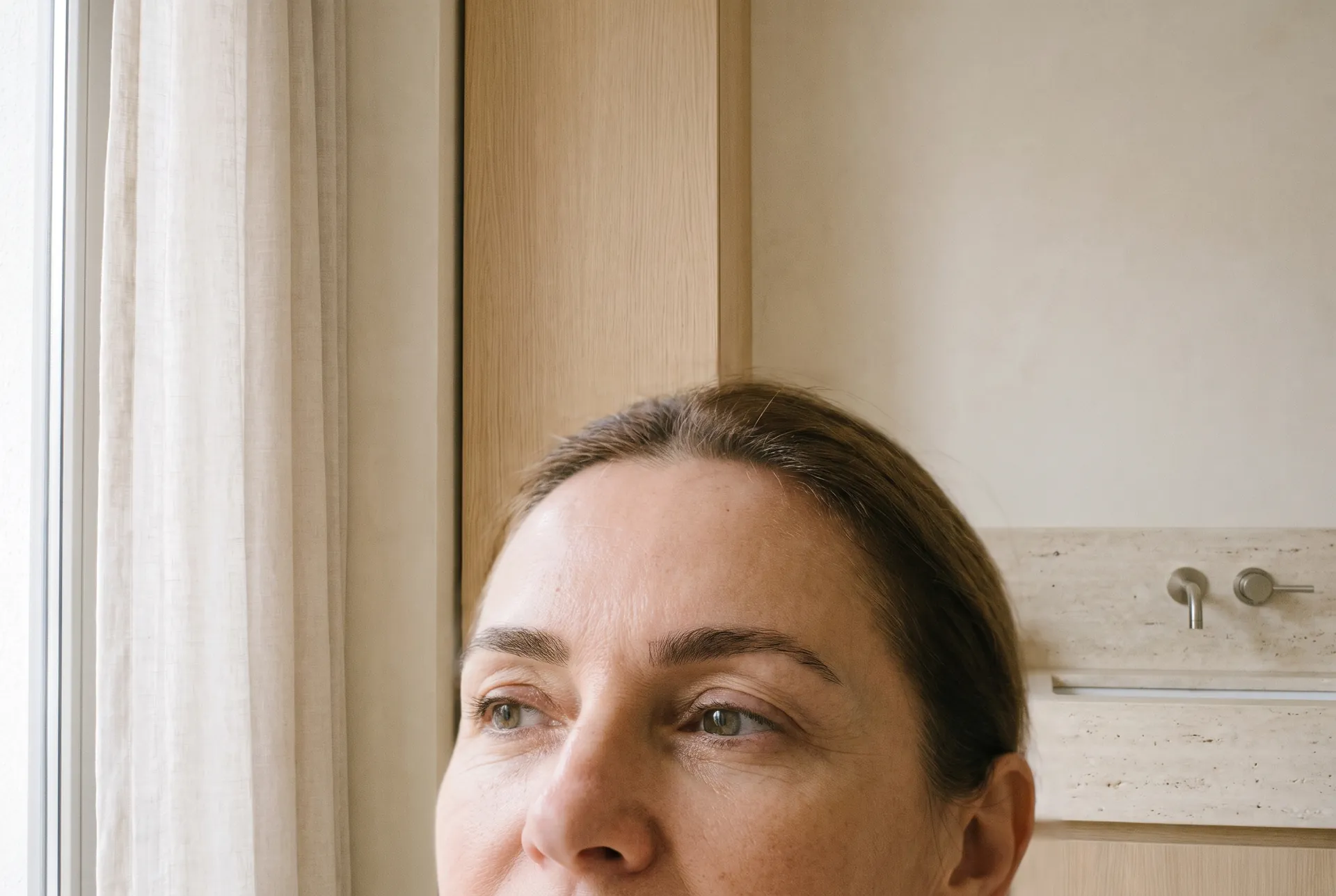
Surgery that reduces a tired look by removing excess upper-lid skin and correcting lower-lid bags.
- Hospital stay
- Home the same day
- Recovery
- Stitches out on day 5